How to Stop Tinnitus: Understanding What Causes Ear Ringing and Modern Support
For millions of individuals worldwide, the persistent sound of buzzing, hissing, or whistling leads to one urgent, life-changing question: "What causes ear ringing?" Understanding these biological triggers is the foundational step for anyone searching for how to stop tinnitus and regain their mental clarity. While many are desperate to discover how to get rid of tinnitus permanently, recent breakthroughs in neurological science are finally shedding light on how we can support the auditory system through natural, non-invasive protocols.
The Scientific Search: Is There a Cure for Ringing in the Ears?
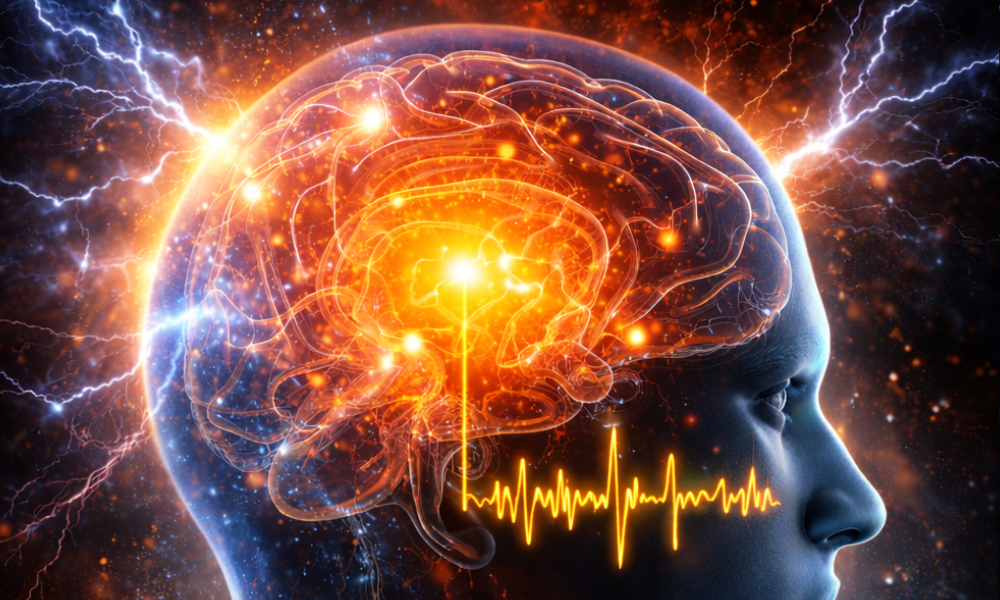
A common inquiry among health enthusiasts and clinical researchers alike is: "Is there a cure for ringing in the ears?" While the medical community continues to conduct rigorous, multi-year trials to find a definitive, universal cure for ringing in the ears, experts at leading institutions are now focusing on the tinnitus actual root cause. This is no longer seen as just an "ear problem," but as a complex interaction between the inner ear’s hair cells (cilia) and the brain’s auditory cortex.
Section I: The Physiology of Auditory Perception
To truly grasp how to get rid of tinnitus permanently, one must look at the primary pillars of auditory health that govern our daily experience:
1. Neural Signaling and Synaptic Plasticity
The brain’s auditory cortex is responsible for processing sound. When the peripheral input from the ear is compromised—due to age, noise exposure, or cellular stress—the brain attempts to "compensate" by increasing its internal gain. This neurological "over-firing" is often what causes ear ringing in otherwise healthy adults.
2. Micro-Circulation and the Stria Vascularis
The inner ear is powered by a highly specialized vascular tissue that maintains the chemical and electrical balance of the auditory fluid. Any restriction in blood flow or oxygenation to these micro-vessels can trigger "phantom" neural signals that the brain interprets as sound.
3. The Myelin Sheath and Nerve Insulation
Just like an electrical wire, your auditory nerves require proper insulation. When the protective layers of these nerves are stressed, "signal leaking" can occur, which many researchers believe is a major tinnitus actual root cause behind persistent internal noise.
Section II: Exploring Modern Auditory Support Methods
Modern integrative science suggests that a proactive ringing in ears natural remedy doesn’t just "mask" the sound with external noise, but rather supports the body’s internal maintenance mechanisms at a cellular level.
The Science of Neurological Habituation
The journey of how to stop tinnitus discomfort often involves a process called Habituation. This is the brain’s innate ability to re-classify a sound as "neutral" or "background noise." By reducing the emotional "threat response" associated with the sound, the brain naturally begins to filter it out. For those focusing on improving tinnitus at home, habituation is the most scientifically backed method for long-term comfort.
The Brain-Ear Axis
New protocols in alternative treatment tinnitus focus on the "Brain-Ear Axis." This approach recognizes that the auditory nerve is a direct extension of the central nervous system. By supporting neural clarity and reducing systemic oxidative stress, the frequency of phantom sounds can be significantly managed.
Section III: Environmental and Lifestyle Factors
Beyond clinical support, understanding how to get rid of tinnitus permanently requires a look at daily environmental triggers:
- Acoustic Hygiene: Protecting the ears from sudden high-decibel peaks that can cause temporary shifts in neural thresholds.
- Inflammatory Factors: How systemic inflammation from stress and modern lifestyle choices can affect the fluid pressure within the cochlea.
- Neurological Load: The impact of high-stress environments on the brain’s ability to filter out internal auditory feedback.
Comprehensive FAQ: Expert Clinical Insights
It is often a "phantom" signal generated by the brain’s auditory cortex. When the brain detects a lack of specific frequencies from the ear, it creates its own internal sound to fill the void. Understanding what causes ear ringing is the key to selecting the right long-term support.
While "cure" is a definitive medical term requiring longitudinal studies, many people achieve near-total silence by addressing the tinnitus actual root cause through targeted neurological and systemic support.
Scientific literature recommends a "dual-track" approach: supporting the physical structures of the ear while utilizing cognitive habituation to reduce the brain’s focus on the sound during quiet hours.
Yes. Protocols involving neuro-protection, mineral regulation, and stress-reduction techniques have shown significant success in clinical observations for those seeking an alternative treatment tinnitus path.
By providing the brain with the correct biological environment and reducing neural hyper-activity, you can help the auditory cortex "re-classify" internal sounds, leading to long-term focus, peace, and clarity.